
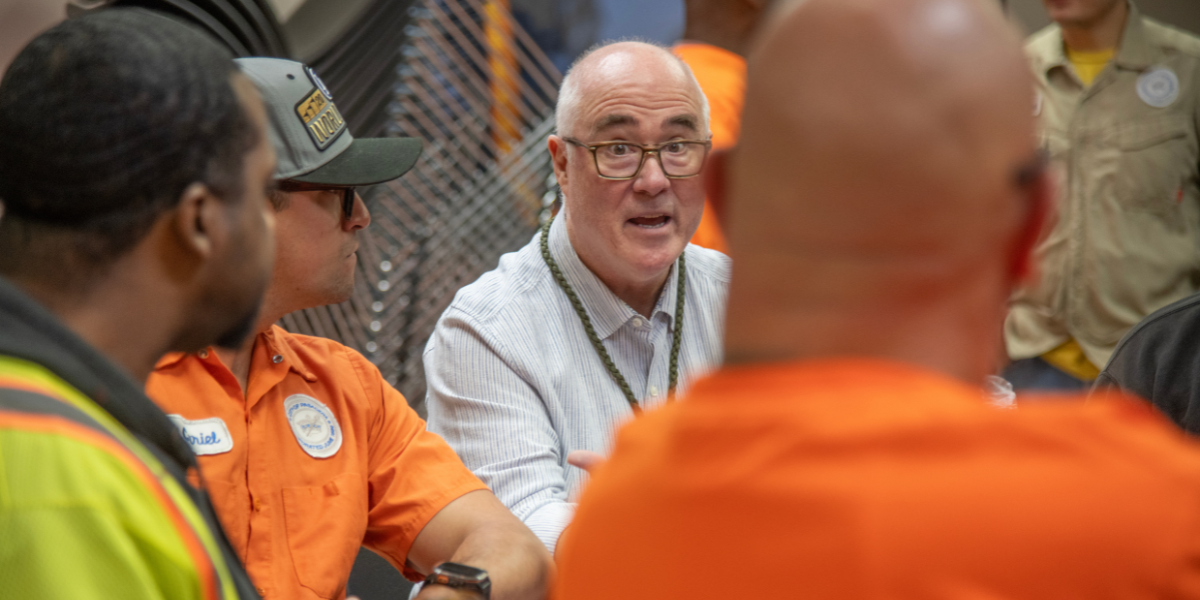
Traumatic stress exposure is inevitable.
The harm doesn’t have to be.
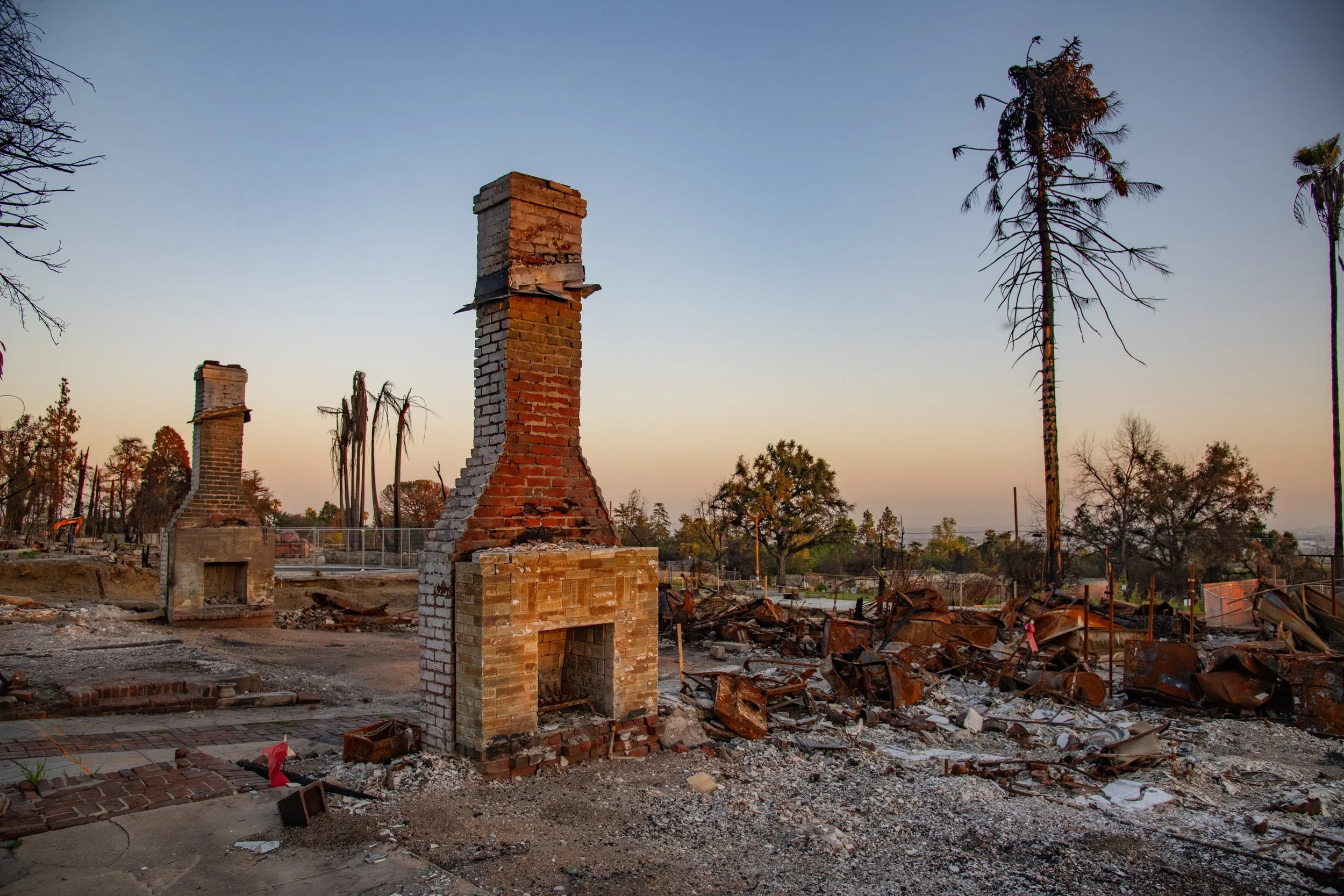
The crisis may have ended.
The impact of the exposure on those who responded has just begun.
Lodestar Second Responders (L2R) can help. Let’s talk.
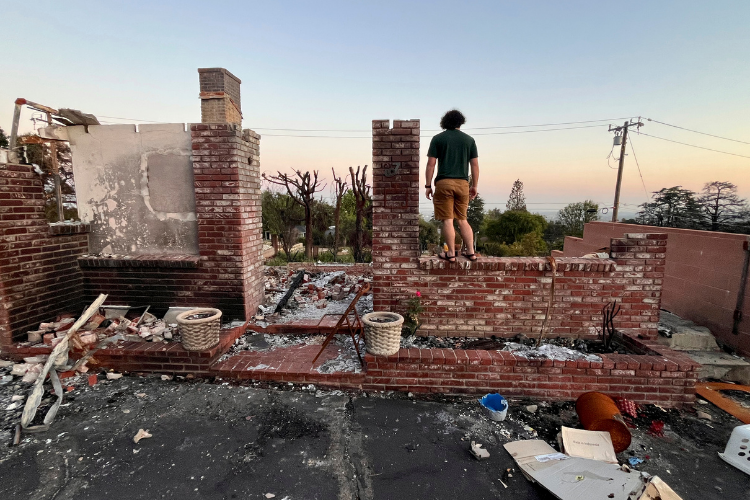

Who we serve
Lodestar Second Responder (L2R) interventions are designed for professions and organizations where high-dose traumatic stress exposure is a predictable part of the work.
While the exposure may be part of the job, the embodied harm that follows doesn’t have to be. We do the work that keeps people IN the work sustainably, over time.
L2R teams work with:
• First responder agencies: Fire, EMS, law enforcement
• Public health departments and state and municipal government agencies
• Hospital systems
• Military and veteran-serving institutions
• Emergency management and disaster recovery teams
• Any organization in the aftermath of a mass trauma event
Since 2016, Lodestar has led second-responder deployments for first-responder agencies, health departments, hospital systems, school systems, and local and state government.
If your people responded, and if the job requires they keep responding, we restore and build capacity so they can.
What we do
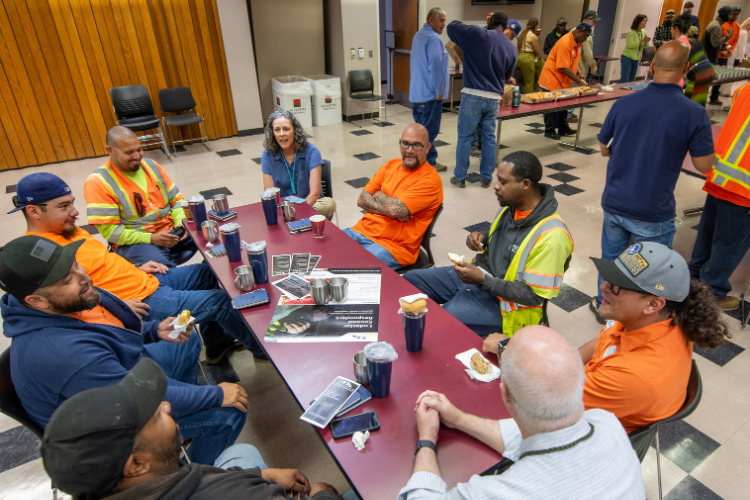
We don't wait for people to break. L2R teams deploy directly into organizations and communities in the immediate wake of a traumatic event, often while the system is still absorbing the impact.
We do the work that prevents traumatic stress exposure from becoming embodied harm.
• Fully self-contained: no logistical support required from you
• On site in your workplaces, on your schedules
• No disruption to operational recovery
Our process stabilizes individuals, restores coherence to teams, and builds internal capacity for what comes next. It demands discipline of presence and advanced skills enacted moment by moment in high-threat, high-complexity spaces.
What this Is
(and what it's not)
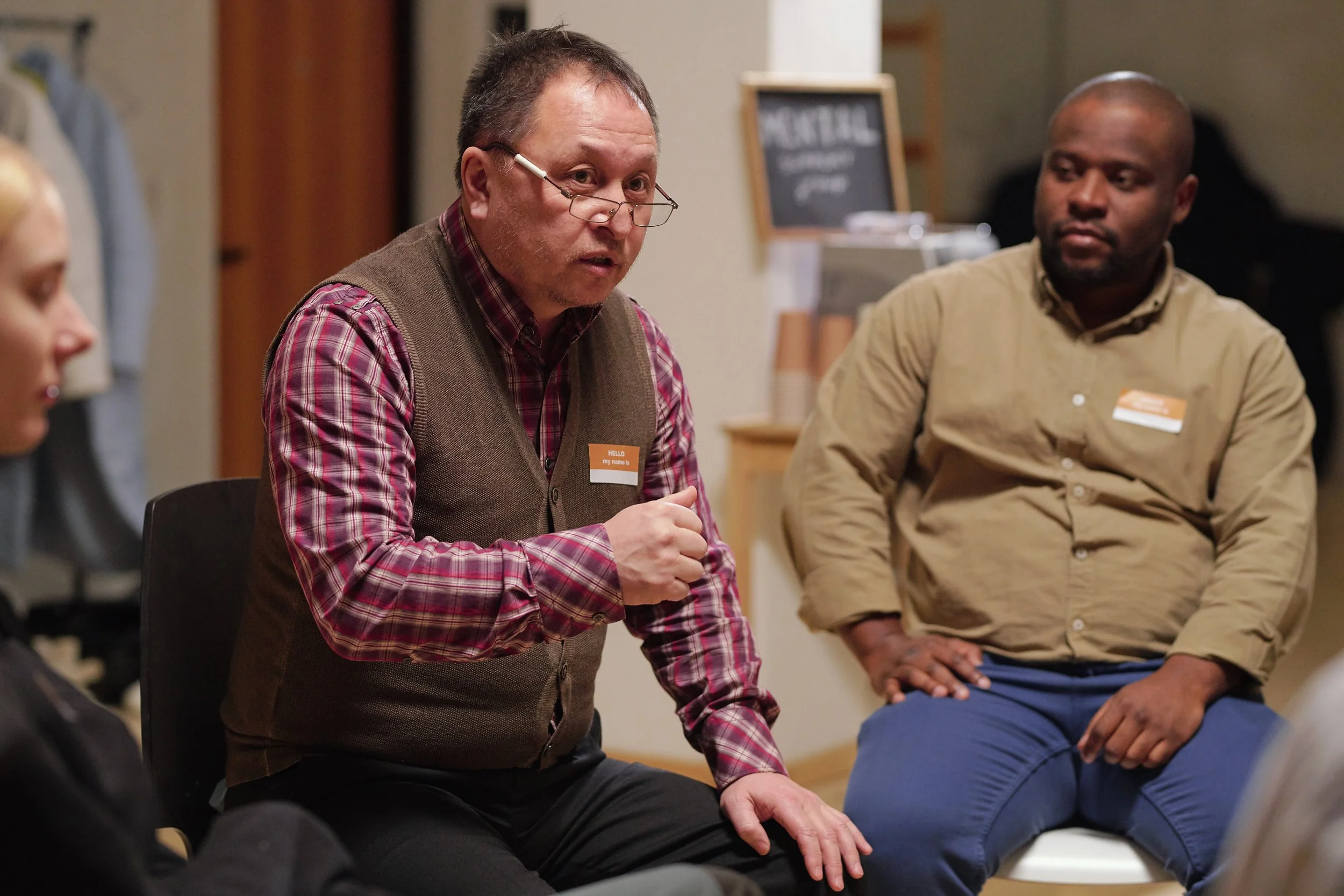
L2R is not therapy, counseling, or a one-time debrief. It is a professionally facilitated, peer-centered process grounded in Lodestar's frameworks and the neuroscience of traumatic stress disruption.
L2R creates structured spaces where:
• Harm exposure is disrupted before it becomes encoded
• Nervous systems settle and co-regulate
• Normalization brings relief and understanding
• People reconnect with peers, purpose, and themselves
• Peer leaders emerge and are trained to sustain the work
There is no forced storytelling, no pressure to process emotion, and no expectation of catharsis. Participation is always a choice.
Our process requires organizational commitment: a single session is not our model. Sustained, phased, professional engagement is.
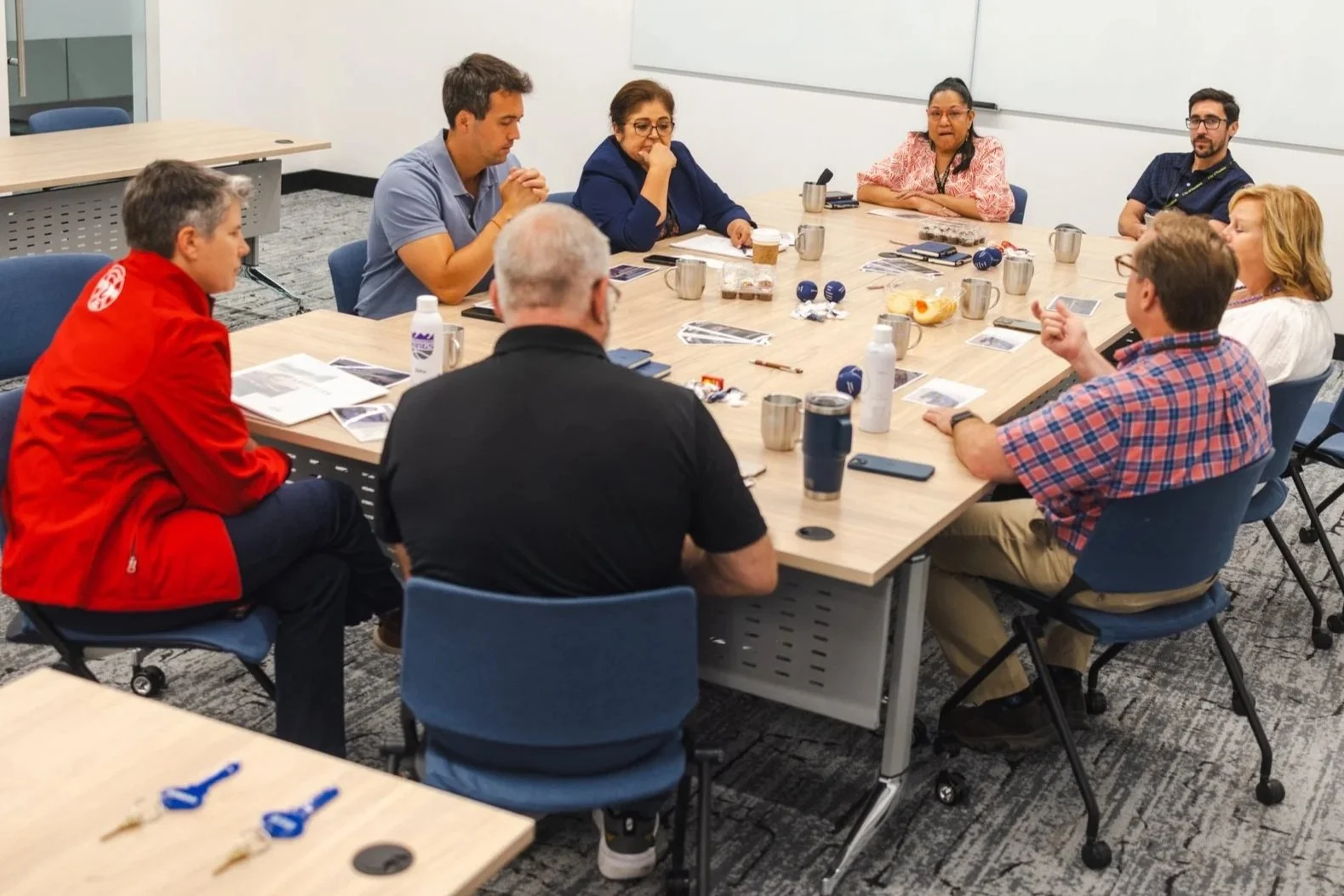

This is the work that keeps your people in the work

The Power of Skilled Engagement
Lodestar professionals bring leading-edge traumatic stress disruption techniques: a proactive approach grounded in the neuroscience of threat response and the restoration of equilibrium.
Our multi-disciplinary Second Responder teams are highly trained professionals with decades of experience who serve as an immediate bridge for the mental health, wellbeing, and operational readiness of your responders.
The stress and harm experienced by our first responders is not an individual burden; it is a collective one.
We know that healing happens in community.
And we believe that every first responder deserves a second responder.
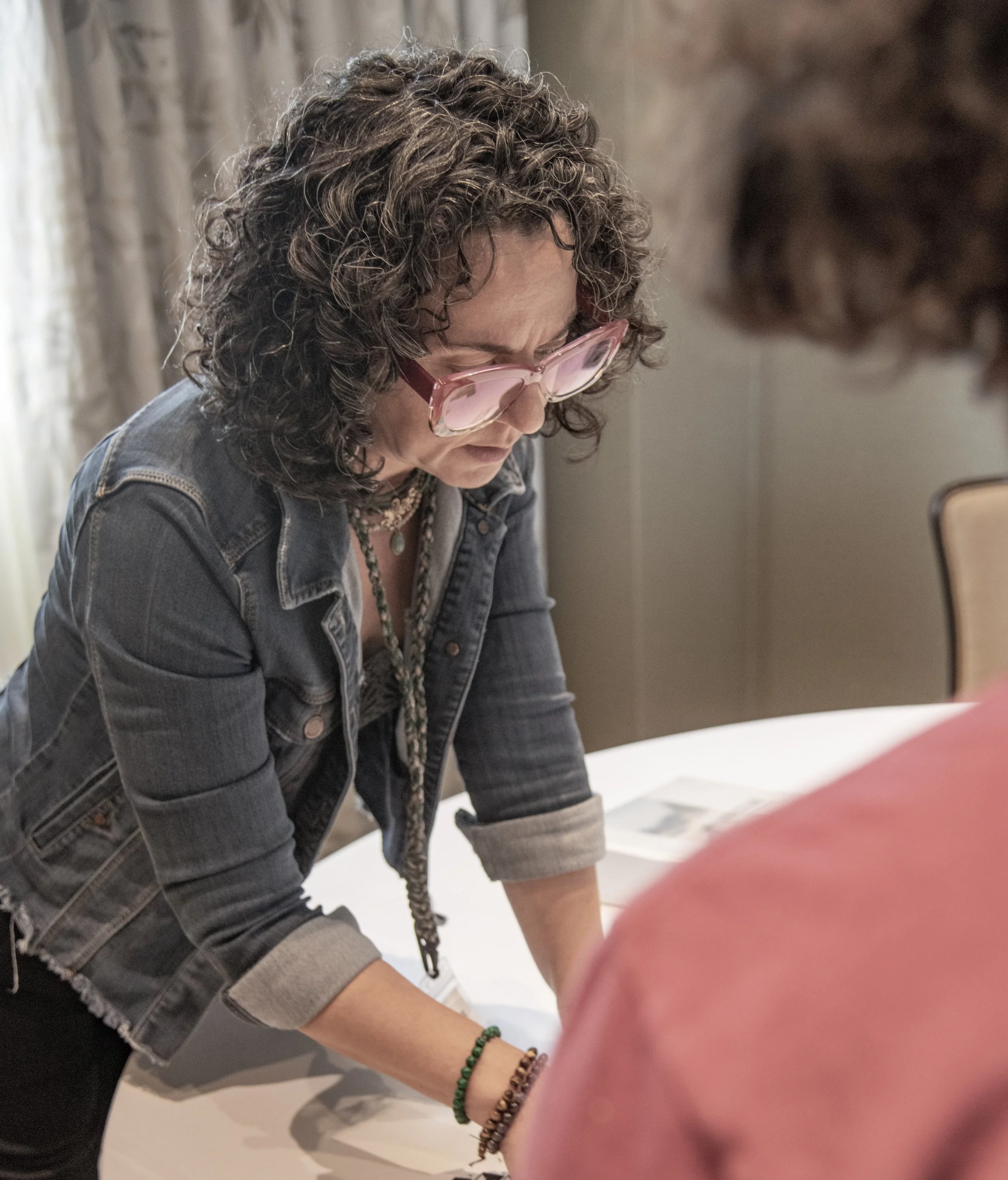

"We are a more resilient organization today than we were just a few short months ago and have continued peer-led sessions using Lodestar tools."
Department Director
“Staff left feeling relief, validated, and more equipped to take care of themselves, and each other."
Managing Supervisor
Field tested
L2R has deployed in the wake of natural disasters, mass-casualty events and traumatic deaths, sentinel incidents, and organizational crises large and small.
Lodestar recently was challenged with delivering a six-month scope of L2R engagement in six weeks.
We delivered. On budget, at scale, and without disrupting ongoing recovery operations.
600+ Individuals attended L2R groups and sessions
250+ Faculty-led sessions delivered
16 Departments served simultaneously
>50% Participants engaged in multiple sessions
What those numbers don't show
Peer-led groups still running on their own.
Staff using shared language and tools without prompting
Department leaders committed to ongoing peer group practice.
The work continued, because that was the design.


How we engage
Lodestar tailors to the scale, urgency, and op-tempo of each organization. We are operationally independent, requiring no logistical support; we adapt to your schedules, and deploy directly into your workplaces. Engagements are structured in three deliberate phases:
Immediate high-acuity deployment: stabilization, assessment, and establishing presence
Sustained engagement over multiple weeks: group development, psychoeducation, peer leader identification, and capacity building
Phased handover: training internal peer leaders to sustain the work after we leave
Every L2R engagement is structured from day one to make itself unnecessary, leaving behind an internally led, trauma-responsive system that continues without us.
We’re on standby.
Rapid activation is not about if challenges will come; it’s about whether you’ll be ready when they do. Pre-standing agreements put Lodestar in place before the next crisis arrives.
Lodestar Client Statement
“We learned that you cannot predict when hell will visit - only that it does.
And when it does, you better have a deep bench… Lodestar was ours.”
Stay connected
Updates on L2R deployments, emerging research in traumatic stress disruption, and ways to bring Second Responder capacity to your organization.